

We run tours on the lake, so you might expect us to say yes to everyone. The real answer depends on how long you have in Siem Reap. With two days or more, Tonle Sap Lake is well worth visiting. With only one day, we would tell you to spend it at Angkor Wat and the temples.
The short answer
- One day in Siem Reap: see Angkor Wat and the temples. They are the reason most people come, and they deserve the whole day.
- Two days: yes. Give the temples a full day, then spend the second afternoon on the lake and finish with the sunset.
- Three days or more: definitely, and a full day on the lake starts to make sense, especially if you care more about real life in Cambodia than about archaeology.
If you only have one day
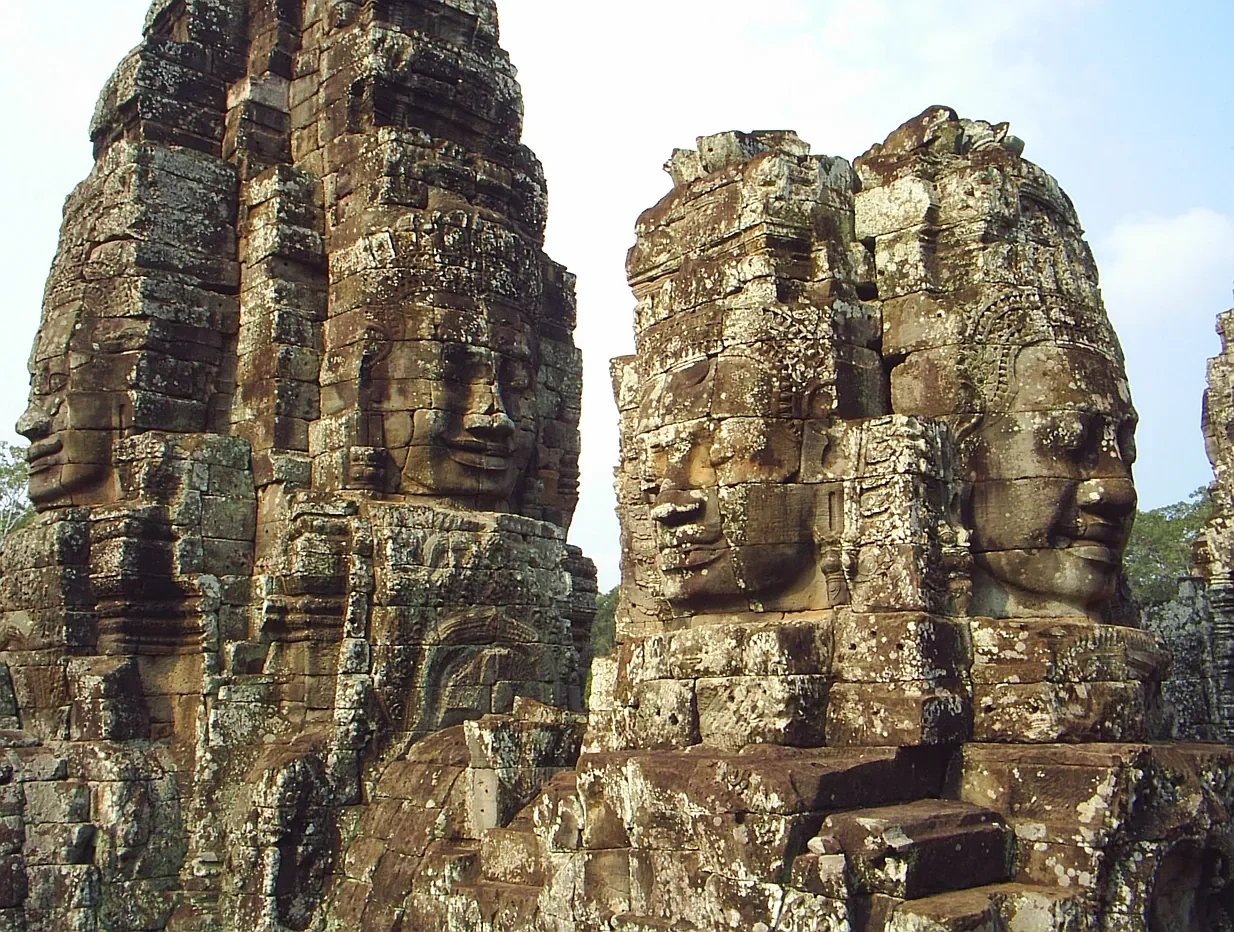
Angkor is one of the great sights of the world, and a single day barely covers Angkor Wat, Bayon and Ta Prohm. A floating village visit takes about half a day once you count the drive, so adding it would mean rushing the temples. We would rather you enjoyed them properly and came to the lake on your next visit.
If you are short on time and still want to see both, it can be done on a private day, with the temples in the morning and the lake in the afternoon. Our Angkor Wat and floating village day is built for exactly that.
Why the lake is worth it with two days or more
The Tonle Sap is a great way to break up a temple trip. Many travelers feel a little tired after visiting temple after temple, and the lake is a completely different experience. Like the temples, it is unique to Cambodia and something you cannot experience back home.
- A change from the temples. After Angkor, the lake shows you Cambodia as people live it today.
- Easy on the legs. The temples involve a lot of walking and climbing, which can be hard work in the heat. The lake is a sit back and relax experience: you are in a boat, with a breeze, watching village life go by.
- The lake itself. The Tonle Sap is the largest lake in Southeast Asia. Every monsoon the Mekong pushes the Tonle Sap River backwards and the lake grows to about five times its size. You can read how that works in our guide to Tonle Sap Lake.
- A UNESCO Biosphere Reserve. The Tonle Sap has been a UNESCO Biosphere Reserve since 1997, recognized for its fish, its birdlife and its flooded forest. Angkor is a UNESCO World Heritage Site, so with two days in Siem Reap you can see both.
- The villages. Whole communities live on the water, in houses on tall stilts or on floating homes that move with the season. There are schools, pagodas, shops and fish farms, all built around the rise and fall of the lake.
- The flooded forest. At Kompong Phluk, from about July to January, you can glide through a forest standing in water in a small canoe paddled by someone from the village.
- The sunset. The open lake has no far shore to see, so the sun sets into the water. It is a gentle way to end a day.
- The people. Our guides were born in these villages. You are not just looking at a place; you are being shown someone's home.

Is it worth it with children?
Very much so. Children often enjoy the lake more than the temples. After a few hours, even the most beautiful temples can start to feel like piles of rocks to them. The lake and the floating villages keep them interested: there is a boat ride, things moving on the water, and other children waving from their houses. There are life jackets on every boat, children under 12 are $10 off on our group tours, and children aged two and under come free.
How to fit it into two days
We recommend a half day on the lake, in the afternoon. This is the plan we suggest to most guests:
- Day one: Angkor Wat and the main temples.
- Day two, morning: a few more temples before it gets too hot, then back to the hotel to rest and regroup.
- Day two, afternoon: pickup for the lake at 2:00 pm, the village and the boat, and sunset on the water.
The lake is a lovely place to watch the sunset, and a relaxed alternative to joining the crowds for sunset at the temples. You are back in town around 7:00 pm, in time for dinner and a great night out.
With three days or more
If you are in Siem Reap for three days or longer, a full day at the Tonle Sap makes sense, especially if you are more interested in real experiences and everyday life in Cambodia than in archaeology. A full day gives you time for a quieter village such as Kompong Khleang, stops in the countryside on the way, or the bird sanctuary at Prek Toal. You can design your own day around what interests you.
Does the time of year matter?
It changes what you see, not whether it is worth going.
- About July to January: high water. Boats travel between the houses, the flooded forest is open, and the lake is at its fullest.
- About February to June: low water. The houses stand high above the ground on their stilts, and you see more on foot: fish drying, nets being mended, and daily life along the village road.
Both are interesting, and many guests find the dry season visit just as memorable. For the detail, see when to visit, month by month, or check the water level today.
Which village makes it worth it
Where you go matters as much as whether you go. There are four floating villages within reach of Siem Reap, and they are quite different from each other.
- Kompong Phluk is the best choice for a first visit and a short stay: 45 minutes from town, with the flooded forest and the sunset.
- Kompong Khleang is the largest community on the lake and sees fewer visitors. It is a little further, and a good choice if you have three days or more.

Our comparison of the four villages will help you choose.
Is it worth going with a tour?
If you decide to visit the lake, we recommend going with a tour company. You can go on your own, and our prices page lists every ticket and fee, but for most travelers a tour works out better for a few simple reasons.
- Value. On your own, the boat ticket, the canoe and a return ride from Siem Reap come to around $40 to $50 per person at Kompong Phluk. Tour companies get a better rate at the villages, which is why our group tour is $28 with everything included.
- Everything is organized. You are picked up at your hotel, the tickets and boats are arranged, and the timing is planned around the sunset. There is nothing to negotiate at the boat landing and no need to arrange your ride back.
- A local guide. The lake is far more interesting when someone explains what you are looking at. Our guides were born in these villages, so they can tell you how the houses move with the water, where the children go to school and what life is like in each season.
- Your visit supports the village. With a community-based tour, the guide and the boat both come from the village you are visiting.
What it costs
A visit does not need to be expensive. Our daily group sunset tours are $28 per person to Kompong Phluk and $35 to Kompong Khleang, with hotel pickup, a guide from the village and the boat included. A private day starts at $145 for up to four guests. If you prefer to go on your own, every boat ticket and fee is listed on our prices page.
Frequently asked questions
Is Tonle Sap Lake worth visiting?
Yes, if you have two days or more in Siem Reap. The lake is a great way to break up a temple trip: a relaxed afternoon on a boat, and a side of Cambodia the temples cannot show you. If you only have one day in Siem Reap, spend it at Angkor Wat and the temples.
How many days do I need in Siem Reap to see both Angkor and the lake?
Two days is enough: one full day for Angkor Wat and the main temples, and an afternoon on the second day for a floating village, ending with sunset on the lake. With three days or more, a full day on the lake makes sense, especially if you prefer everyday life in Cambodia to archaeology.
Is the Tonle Sap worth visiting in the dry season?
Yes, but it is a different visit. From about February to June the water is low, the flooded forest is dry and the houses stand high on their stilts above the ground, so you see more of village life on foot. The fullest lake, and the flooded forest, are from about July to January.
Is Tonle Sap Lake good for children?
Yes. Children often enjoy the lake more than the temples, because the boat trip keeps things moving and there is always something to watch on the water. There are life jackets on every boat.
How long does a floating village visit take?
About half a day. Our Kompong Phluk sunset tour leaves at 2:00 pm and is back around 7:00 pm. Kompong Khleang is a little further and takes about five and a half hours.
Can I see Angkor Wat and the Tonle Sap on the same day?
It is possible on a private day, with the temples in the morning and the lake in the afternoon, and we run one for travelers who are short on time. If you can spare a second day, though, both are better with more room to breathe.